


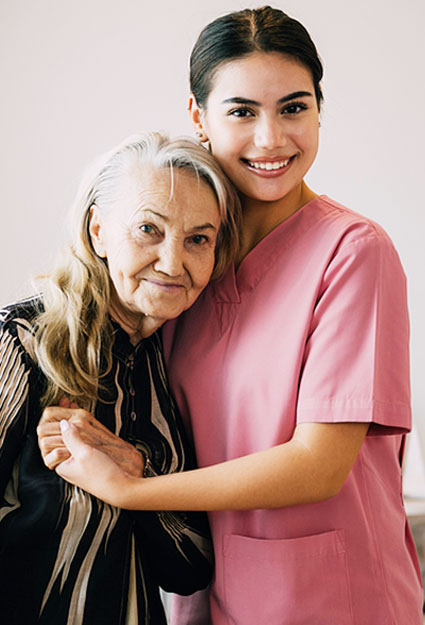
Families often wonder what a professional caregiver actually does. While responsibilities vary, caregivers play a vital role in helping seniors live safely and comfortably at home.
Understanding caregiver services can help families feel confident when exploring in-home care options.
Daily Personal Care Support
Caregivers assist with personal care tasks such as bathing, dressing, grooming, and mobility support. These services help seniors maintain hygiene and comfort while reducing the risk of injury.
Support is always provided respectfully, with attention to privacy and dignity.
Help With Household Tasks
Light housekeeping, meal preparation, and laundry assistance help keep the home safe and manageable. Nutritious meals and a tidy living space contribute to better health and well-being.
Caregivers can also assist with grocery shopping and errands.
Medication Reminders and Routine Support
While caregivers do not administer medications, they provide reminders to help seniors stay on schedule. Consistent routines support health and reduce confusion.
Caregivers also help establish daily structure, which can be especially beneficial for seniors living alone.
Companionship and Emotional Support
Companionship is one of the most valuable aspects of caregiving. Conversation, shared activities, and social engagement help reduce loneliness and support mental health.
For families, knowing a loved one has regular interaction provides comfort and reassurance.
Peace of Mind for Families
Many families and seniors prefer to think of a caregiver as a Personal Assistant. In this role, the senior remains in charge and can direct their assistant to help with the tasks they no longer want or need to do, while maintaining control over daily routines and decisions.
Caregivers serve as an extra set of eyes and ears, noticing changes that families may not see right away. This proactive support helps families stay informed and confident in their care decisions.