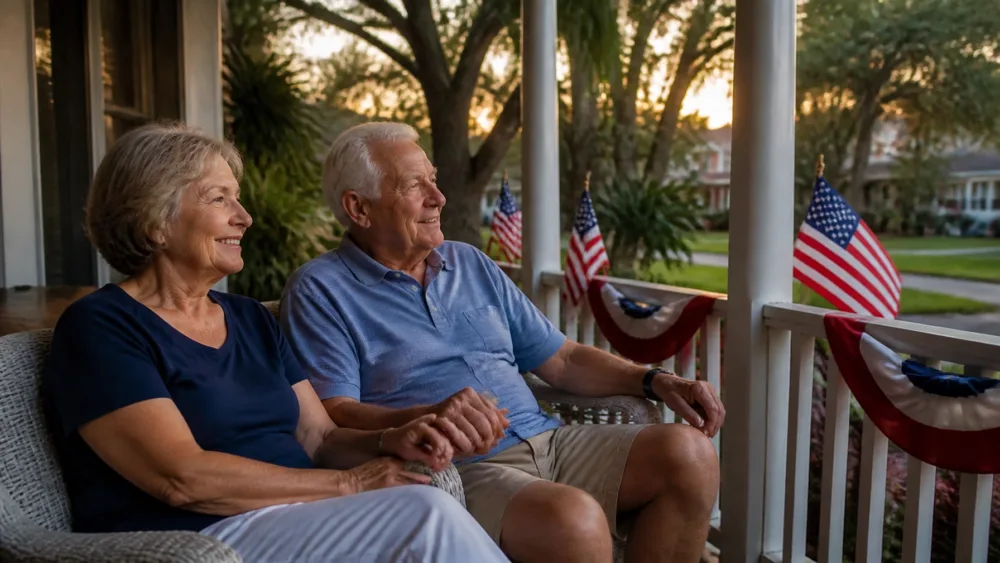

As the summer heat begins to soften and we welcome the gentle breeze off Old Hillsborough Bay, September arrives in Tampa with a dual purpose. It is a month dedicated to both World Alzheimer’s Month and Healthy Aging Month.
For many families in neighborhoods like Davis Island and Lake Magdalene, these themes hit close to home. Whether you are noticing a few more “senior moments” in a parent or you are already navigating the complexities of a dementia diagnosis, this month is a time for awareness, action, and: most importantly: hope.
This year, the theme for Healthy Aging Month is “Curiosity Has No Age Limit.” At CareBuilders at Home, we believe that staying curious is one of the most powerful tools for maintaining cognitive health and emotional well-being. In this guide, we will explore how to recognize the early signs of Alzheimer’s, how to support your loved one through a holistic approach, and how we use curiosity to fuel our specialized care here in Tampa.
Recognizing the Early Signs of Alzheimer’s
Distinguishing between normal age-related changes and the early warning signs of Alzheimer’s can be difficult. You might ask yourself: Is it just “normal aging” that Mom forgot where she parked the car at Publix, or is it something more?
Understanding the difference is the first step toward finding peace of mind. Here are the common “red flags” to watch for:
- Memory Loss That Disrupts Daily Life: This is more than just forgetting a name and remembering it later. It involves forgetting recently learned information, missing important dates, or asking for the same information repeatedly.
- Difficulty Completing Familiar Tasks: You might notice your loved one struggling to drive to a familiar spot in Lake Magdalene or forgetting how to use the microwave they’ve owned for years.
- Confusion with Time or Place: People with Alzheimer’s can lose track of dates, seasons, and the passage of time. They may forget where they are or how they got there.
- New Challenges with Words: They might stop in the middle of a conversation on the porch and have no idea how to continue, or they may struggle with finding the right vocabulary for common objects.
- Misplacing Things and Losing the Ability to Retrace Steps: We all lose our keys, but a person with Alzheimer’s might put them in unusual places (like the freezer) and be completely unable to find them again.
- Changes in Mood or Personality: You may notice increased irritability, suspicion, or anxiety, especially in situations where they are out of their comfort zone.
If you recognize these signs in a family member, the best thing you can do is document what you see and speak with a professional. If you need help navigating these changes, you can always find a caregiver to provide a professional assessment and support.

Support Strategies: Caring for the Whole Person
When a loved one is diagnosed with dementia, the focus often shifts entirely to the clinical side of the disease. However, at CareBuilders at Home, we advocate for a whole-person approach. This means looking beyond the diagnosis to care for the individual’s social, emotional, and physical needs.
Supporting a senior with dementia requires patience and a shift in how we communicate. Here are a few practical “how-to” tips for Tampa families:
- Establish a Balanced Routine: Consistency provides a sense of security. Try to keep meal times, walks, and activities at the same time each day.
- Simplify Communication: Use short, punchy sentences. Instead of asking “What would you like for lunch?”, try offering a simple choice: “Would you like a turkey sandwich or a salad?”
- Focus on the Feeling, Not the Facts: If your loved one is confused about a date or a person, don’t argue or try to “correct” them. Instead, focus on the emotion they are expressing and offer comfort.
- Enhance Safety at Home: Ensure the home is well-lit and free of tripping hazards. For those needing extra security, our Virtual Care Services offer daily check-in calls and medication reminders that provide an extra layer of safety without intruding on independence.
Curiosity Has No Age Limit: Why It Matters
The 2026 Healthy Aging Month theme, “Curiosity Has No Age Limit,” is a beautiful reminder that our brains crave new experiences, no matter our age. Curiosity isn’t just for children; it is a vital spark that keeps the mind engaged and the spirit young.
Research shows that lifelong learning and mental stimulation can help build “cognitive reserve,” which may delay the symptoms of dementia. Staying curious keeps seniors connected to the world around them, combating the social isolation that often accompanies aging.
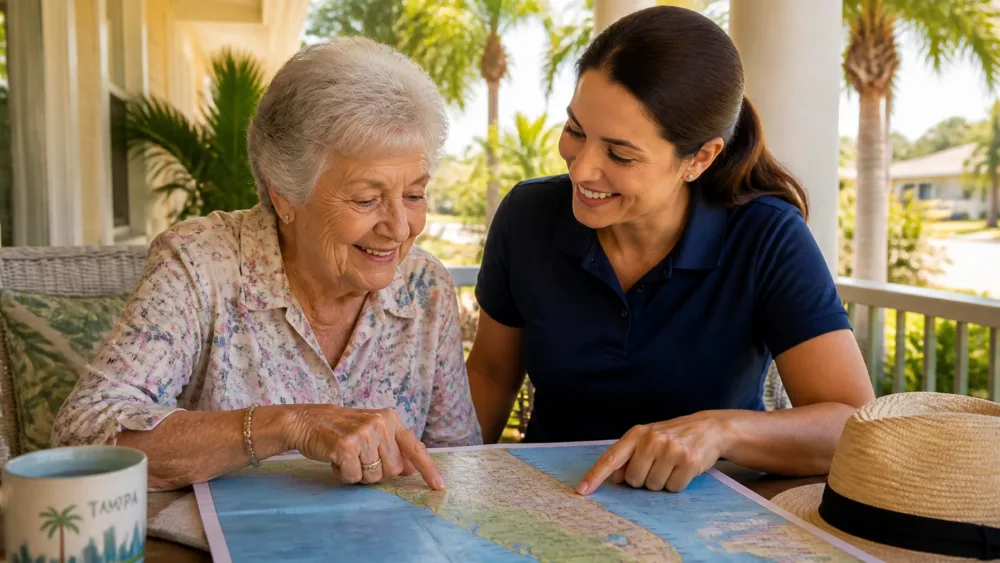
In Tampa, we have so many ways to spark that curiosity. It could be learning about the local history of Davis Island, exploring a new hobby like birdwatching by the bay, or simply picking up a new type of puzzle. When we encourage our seniors to ask “Why?” or “How?”, we are helping them stay present and engaged.
How Our Health and Fitness Program Stimulates the Mind
We don’t just talk about curiosity; we build it into every day. Our signature Health and Fitness Program is designed specifically to stimulate cognitive development through a blend of physical and mental exercise.

This program is a cornerstone of our Dementia Care / Specialized Care because it treats the brain like a muscle that needs a workout. Here’s a look at how we keep things fresh and engaging:
- Scavenger Hunts: We create simple, fun scavenger hunts around the home or the yard. Finding a specific flower or a vintage photo triggers memory and problem-solving skills in a low-stress way.
- Journaling and Storytelling: We help seniors document their lives or write about their daily observations. This encourages “fresh” thinking and helps maintain verbal skills.
- Games and Brain Teasers: From classic card games to modern puzzles, we choose activities that provide a manageable challenge without causing frustration.
- Low-Intensity Exercise: Physical movement is directly linked to brain health. We incorporate gentle stretching and walks that improve circulation and mood, reducing the risk of falls.
Tailored Care Solutions for Tampa Families
Every senior’s journey is unique, which is why our services are designed to be as flexible as the families we serve. Whether you need a few hours of help a week or more intensive support, we have a solution that fits.
- Companion Care: Perfect for combating loneliness. Our caregivers engage in conversation, hobbies, and social outings to keep your loved one connected.
- Personal Care Services: We provide compassionate help with daily essentials like bathing, dressing, and hygiene, ensuring your loved one feels their best.
- Around-the-Clock Care: For families who need total peace of mind, our caregivers are available 24/7 to provide continuous support and safety.
By integrating these services with our focus on curiosity and cognitive health, we help seniors in Tampa age gracefully and independently in the comfort of their own homes.


Final Thoughts: Peace of Mind for Your Family
Taking the first step to seek help can feel overwhelming, but you don’t have to do it alone. This September, let’s honor World Alzheimer’s Month by becoming more aware and Healthy Aging Month by staying curious.
Whether you are looking for a few hours of Personal Assistant Services or comprehensive dementia support, CareBuilders at Home is your local neighbor, ready to help. We are proud to serve the Tampa community, from the quiet streets of Lake Magdalene to the beautiful waterfronts of Davis Island.
Ready to start a conversation? Let us help you find the right balance of care and independence.
Find a caregiver today and give your loved one the gift of a curious, engaged, and supported life.