

Kentucky weather hasn’t fully turned cold yet, but it’s coming — and there are plenty of outdoor activities worth enjoying even as temperatures drop, especially in the evenings. For older adults, cold weather brings a few extra considerations around comfort and safety. Here are some practical ways to prepare for cooler days so you can keep enjoying time outside.
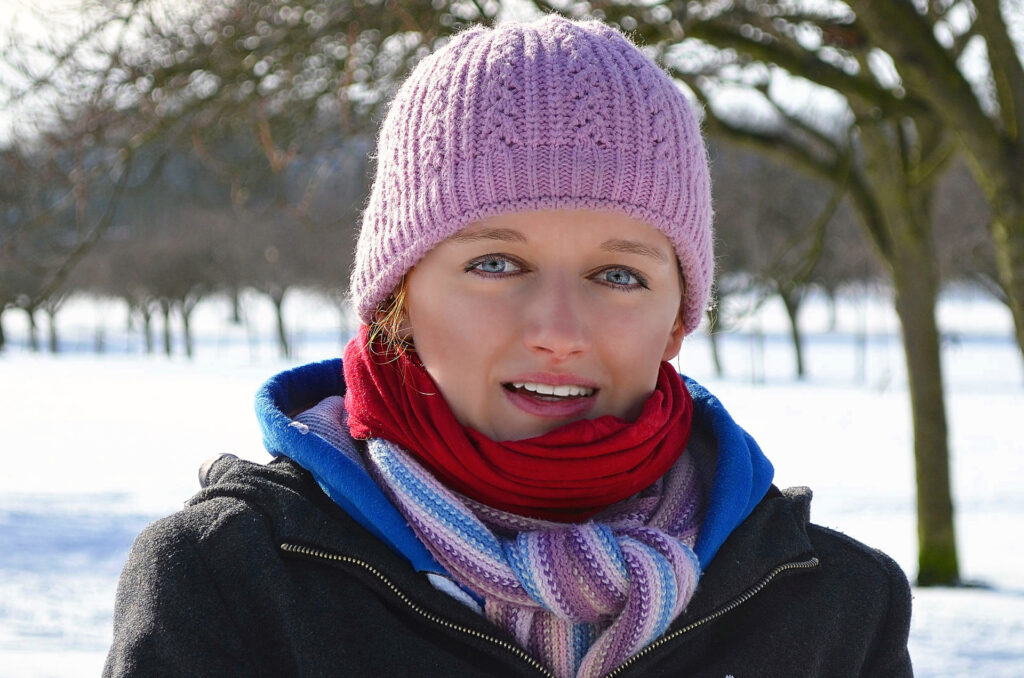
Dress in Light, Removable Layers
Layering is the best approach to cold weather, and the key is making the layers light enough to remove and put back on independently. Older adults are especially prone to both overheating indoors and getting chilled outside, so being able to adjust your own clothing without help matters for both comfort and dignity. A thin base layer, a sweater or fleece, and an outer jacket is a classic setup that lets you add or shed warmth throughout the day as needed.
Keep Hats, Gloves, and Blankets Handy
Keeping a small kit in the trunk of your car — a hat, gloves, and an extra blanket or two — is a simple way to avoid being caught cold on an unexpectedly chilly outing. If you have family members who use strollers or wheelchairs, extra blankets are especially helpful since they aren’t generating as much body heat from walking. Hand warmers are inexpensive, last several hours, and are a lifesaver for anyone whose hands tend to get cold quickly.
Keep Your Skin Moisturized
Cold air pulls moisture from the skin, and as we age, skin becomes thinner and loses its ability to retain moisture as easily. Carrying a small bottle of moisturizer, lotion, or hand cream helps head off dry, cracked skin before it becomes uncomfortable. Reapplying throughout the day is more effective than one heavy application in the morning. Lip balm is worth adding to the kit as well, since lips are often the first place dry air shows up.
Wear the Right Footwear
As fall turns to winter, wet leaves, early frost, and eventually ice make outdoor footing less predictable. Shoes with good tread and a secure fit do more to prevent falls than almost anything else. If you’ll be out in genuine cold, warm socks and insulated boots make a real difference in comfort. For icy conditions, slip-on traction cleats that attach to the bottom of regular shoes are inexpensive and can be the difference between a safe walk and a bad fall.
Watch for Signs of Being Too Cold
Older adults are more vulnerable to the effects of cold exposure, and sometimes the early warning signs are subtle. Persistent shivering, cold hands and feet that won’t warm up, confusion, or unusual sleepiness while outside are all signs it’s time to head indoors and warm up. Don’t try to tough it out — cold affects balance, coordination, and judgment in ways that can lead to accidents or more serious issues like hypothermia.
Stay Hydrated Even When It’s Cold
It’s easy to forget to drink water in cool weather because you don’t feel as thirsty as you do in summer, but hydration still matters. Dehydration can actually make you feel colder because your body has a harder time regulating its temperature. Warm drinks like tea or broth count toward your daily fluids and have the added benefit of warming you from the inside while you’re outside.
Enjoying the outdoors through every season is one of the small pleasures of aging well at home, and a little preparation makes it easier to stay safe and comfortable. Our companion care team in Louisville can help with outings, errands, and daily support so seasonal activities stay part of the year, whatever the weather looks like.
Written by Brigid Coffey