


Exercise is just as important for older adults as it is for people at any age. Different types of movement offer different benefits, and finding the right mix often depends on individual needs and comfort levels. Below are a few common types of exercise and how they may support overall well-being. As always, be sure to consult your doctor about what’s appropriate for your specific situation.
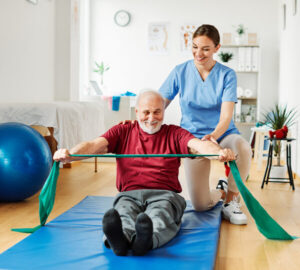
Strength Training
Strength training can play an important role as we age. It helps support muscle strength, balance, and everyday function, which can reduce fall risk over time. Strength training doesn’t have to mean lifting heavy weights—bodyweight exercises, resistance bands, and light dumbbells can all be effective options. The Centers for Disease Control and Prevention’s guidance on physical activity for older adults highlights strength-building activities as part of a balanced routine.
Water Exercises
Water-based exercise is popular with many older adults because it’s easier on the joints. The buoyancy of water can reduce impact while still allowing for movement, resistance, and aerobic activity. While water aerobics is a common option, there are other water exercises that may offer similar benefits. Talking with a healthcare provider can help determine what types of water-based movement may be appropriate.
Yoga
Yoga focuses on flexibility, balance, and mindful movement, which can be especially helpful as mobility changes. Many styles of yoga emphasize listening to your body and using modifications when needed. Chair yoga, in particular, is a widely used option for older adults and can be adapted to different ability levels. There are also many online resources that make it easier to follow along at home.
We’ve shared more ideas on adapting movement to different comfort levels in our post on exercise options for older adults, which explores safe and sustainable ways to stay active.
This article is for general informational purposes only and is not medical advice. CareBuilders at Home provides non-medical home care services focused on supporting daily living and independence.
I’ll talk to you all tomorrow—stay tuned! And let me know in the comments: what’s your favorite way to stay active?
Written by Brigid Stakelum
keep the original exterl link intact


