

August is Summer Sun Safety Awareness Month, so today we’re covering practical ways to protect your skin while still enjoying time outdoors. Sun protection matters for everyone, but it’s especially important for older adults — skin becomes thinner and more vulnerable to sun damage over time, and the risks of skin cancer accumulate with lifetime sun exposure. If you have grandchildren in your life, modeling good sun habits matters too, since kids tend to follow what the adults around them actually do rather than what they’re told to do.
Hats and Sunglasses
Hats and sunglasses provide meaningful protection for the face, eyes, and scalp — areas that are easy to forget when reaching for sunscreen. Wide-brimmed hats that cover the whole head, including the ears and neck, offer the best protection, but any hat is better than none. If you already have baseball caps you’ll actually wear, start there. The single most important thing about sun protection is that it’s protection you’ll use consistently.
Choose a Quality, Regulated Sunscreen
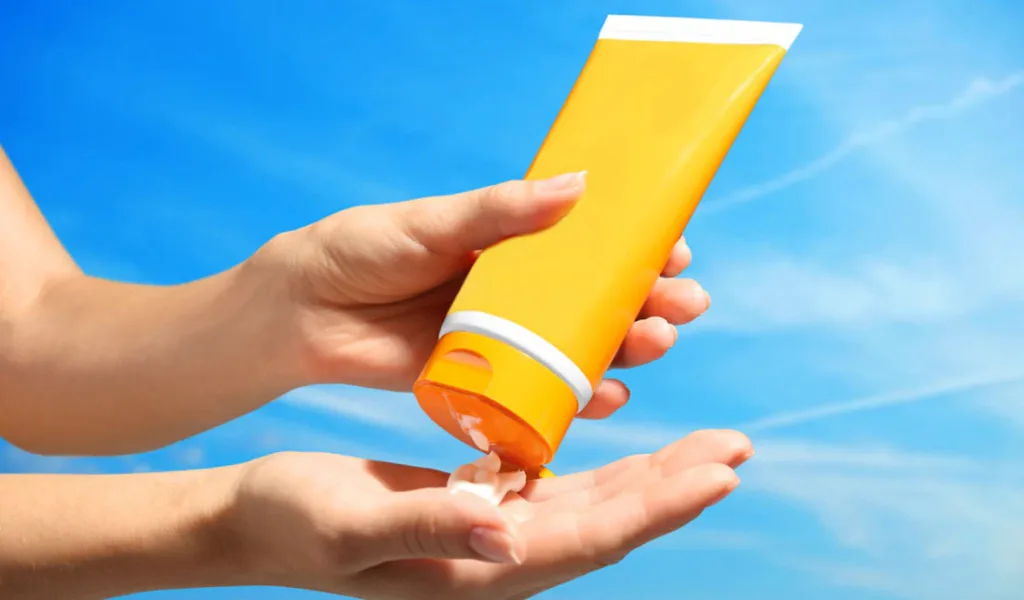
Sunscreen is one of the most effective tools for preventing skin damage and reducing skin cancer risk. There’s been a lot of misinformation online lately suggesting you can make your own or skip it entirely — but the SPF rating on commercial sunscreens comes from rigorous lab testing that home recipes simply can’t replicate. Without that testing, there’s no reliable way to know how long a product actually protects you. Stick with regulated, commercially available sunscreens, and if you have concerns about specific ingredients, talk with your doctor or dermatologist about which options are best for you.
Find the Right Sunscreen for You
The good news is there are more sunscreen options today than ever. Whether you have sensitive skin, melanated skin (where avoiding a white cast matters), sensory preferences, or simply want a lightweight everyday option, there’s likely a product that fits. Online reviews can help narrow down the choices without needing to buy every product yourself. When reading reviews, pay attention to why someone liked or disliked a product rather than just their conclusion — someone else’s dealbreaker might not be yours, and their favorite may not work for your skin.
Time Your Sun Exposure Wisely
The sun’s rays are strongest between 10 a.m. and 4 p.m., so scheduling outdoor activities for earlier morning or later afternoon reduces exposure significantly. Even short walks or gardening sessions add up over time, so shifting the timing can meaningfully lower your total sun load without giving up the activities you enjoy.
Stay Hydrated
Sun protection isn’t just about skin — hot weather and sun exposure both raise the risk of dehydration, and older adults are especially vulnerable because the body’s thirst response often weakens with age. Keep water on hand whenever you’re outside, and try to sip regularly rather than waiting until you feel thirsty. Cool, shaded rest breaks help too, especially on hot days.
Enjoying time outside is one of the joys of summer, and a little planning makes it easier and safer. Our in-home companion care team in Louisville can help with outdoor outings, errands, and daily activities — providing the extra support that helps seniors stay safe and comfortable while still enjoying the season.
Written by Brigid Coffey