
Do you care for an elderly loved one who lives in another part of the state—or maybe in a different state completely? Many families are doing their best from a distance. You want your senior to stay independent, keep appointments, and enjoy life, but winter can make that feel stressful fast. Roads get slick, daylight disappears early, and even simple errands become risky.
The good news is that seniors don’t have to choose between “staying home” and “driving in dangerous conditions.” Senior home care can provide dependable winter transportation and practical support that reduces driving risks altogether. When you can’t be there, a caregiver can help your loved one get where they need to go safely—and help them avoid the winter driving hazards that worry families most.
Four Non-Weather Obstacles That Can Make Winter Driving Harder for Seniors
Most people know they shouldn’t drive in a blizzard or ice storm. But even when the weather looks “fine,” older drivers can face challenges that make winter travel unsafe. The key thing to remember: senior home care can help with every one of these issues, either by preparing your loved one for safer travel or by providing transportation so they don’t have to drive at all.
Their Car May Not be Prepared for Winter
Vehicles need steady upkeep, and winter demands even more. A car that doesn’t have proper tires, reliable windshield wipers, working heat, or good defrosting can become dangerous when temperatures drop and roads freeze. Some older adults don’t realize how quickly conditions change or may put off maintenance because it feels overwhelming.
How senior home care helps: A caregiver can remind your loved one about seasonal maintenance, help schedule service, and even accompany them to appointments. More importantly, when roads are icy or the car isn’t winter-ready, senior home care can provide transportation so your loved one doesn’t have to drive a vehicle that isn’t safe.
They May Not Gauge Time Well
If your senior doesn’t drive confidently at night, winter creates a tricky situation. The sun can set before 5 p.m., and errands that used to happen in daylight may now stretch into the dark. Some seniors may underestimate how long an appointment or stop will take and end up driving after nightfall without intending to.
How senior home care helps: Caregivers can help plan errands earlier in the day and track schedules so your loved one isn’t rushing home after dark. And when timing is tight, a caregiver can drive them instead—keeping them off the road at night entirely.
They May Not Dress Appropriately
In winter, it’s safest to dress as if the car might stop in the middle of nowhere. That means warm layers, gloves, and proper shoes. But seniors who park indoors or make quick trips sometimes forget how cold it truly is outside. If something goes wrong, they may be underdressed for a long wait or walk.
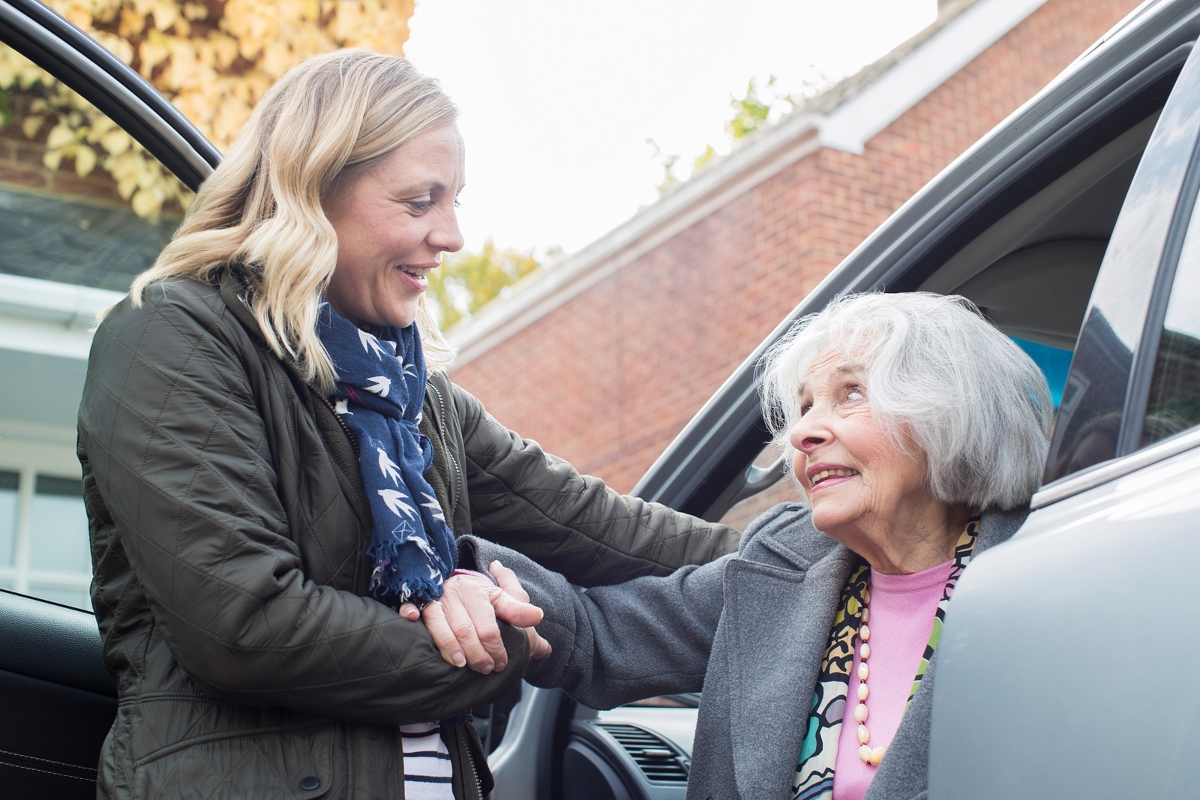
How senior home care helps: Caregivers can help your loved one prepare appropriately before leaving the house, ensuring they’re bundled up for unexpected delays. If a caregiver is providing transportation, they can also help your senior in and out of the vehicle safely and quickly, minimizing exposure to cold and icy surfaces.
They Might Get Lost
Winter changes familiar roads. Snow and ice can cover signs, make lane markings hard to see, and hide important turn indicators—like arrows for left-turn lanes. Even routine drives can become confusing, especially for older adults with memory changes or slower reaction time.
How senior home care helps: A caregiver can ride along, help with navigation, or handle driving entirely when visibility is poor. That support reduces stress and lowers the chance of missed turns or unsafe last-second decisions.
Winter Transportation Is About More Than Safety
Here’s something families often overlook: getting out of the house in winter isn’t just a convenience. It’s tied to health and quality of life. Seniors still need to:
- get to medical appointments and therapy sessions
- pick up prescriptions
- shop for groceries and essentials
- attend faith services or community events
- see friends and family
When winter transportation becomes unreliable, seniors may skip important care or become isolated. Senior home care helps prevent that by providing steady, safe access to the world outside the home.
Four Safety Strategies Seniors Can Use—With Help From Senior Home Care
Sometimes your loved one will still want or need to drive. Senior home care can support safer driving habits by helping with these practical strategies.
Keep On Top of Physical Health
Good winter driving depends on vision, hearing, flexibility, and alertness. Eyeglass prescriptions need to be current, hearing aids should work properly, and regular stretching helps with turning the head or reacting quickly.
A senior home care provider can help your loved one stay consistent with health routines and attend vision or hearing appointments—both of which make driving safer. And if health is slipping, caregivers can step in with transportation before driving becomes risky.
Keep the Car in Top Shape
A winter-ready car should always have at least a half tank of gas, proper tire pressure, clean fluids, and dependable brakes. Many seniors forget these details or find upkeep tiring.
Senior home care can help by reminding your loved one of maintenance needs, helping them schedule service, and driving them to or from the mechanic. If the car isn’t ready, caregivers can provide transportation so your senior doesn’t drive under unsafe conditions.
Keep a Good Emergency Kit in the Car
Every winter vehicle should include basic emergency supplies in case someone gets stuck. Seniors may not think to pack one—or may not be able to gather everything themselves.
A caregiver can help your loved one build and store an emergency kit, check it seasonally, and make sure supplies are easy to access. And again, with caregiver transportation available, the odds of your senior being stranded on winter roads drop dramatically.
Dress Appropriately
Warm, practical clothing matters for any winter outing.
Senior home care can help your loved one choose weather-appropriate layers and footwear before they leave. Caregivers also help prevent slips by offering steady support on icy sidewalks, steps, and parking lots—one of the biggest winter dangers for seniors.
The Most Important Winter Reminder: It’s Okay to Ask for Help
Many seniors are reluctant to stop driving, even temporarily. They may worry about losing independence or being a burden. But accepting transportation help in winter isn’t giving something up—it’s protecting safety and preserving freedom.
Senior home care offers a respectful middle ground: your loved one can still go where they want and maintain their routine, without the stress and danger of winter driving. Caregivers can drive them to appointments, errands, and social outings, and they can help prepare your senior for safe travel when driving is necessary.
When you can’t be there to help, senior home care can. It keeps winter from shrinking your loved one’s world—and helps you feel confident they’re getting where they need to go safely, even in the toughest season of the year.
If you or an aging loved one are considering senior home care in Eden Prairie, MN, and the surrounding areas, please contact the friendly staff at CareBuilders at Home Minnesota. Call today 612-260-2273.