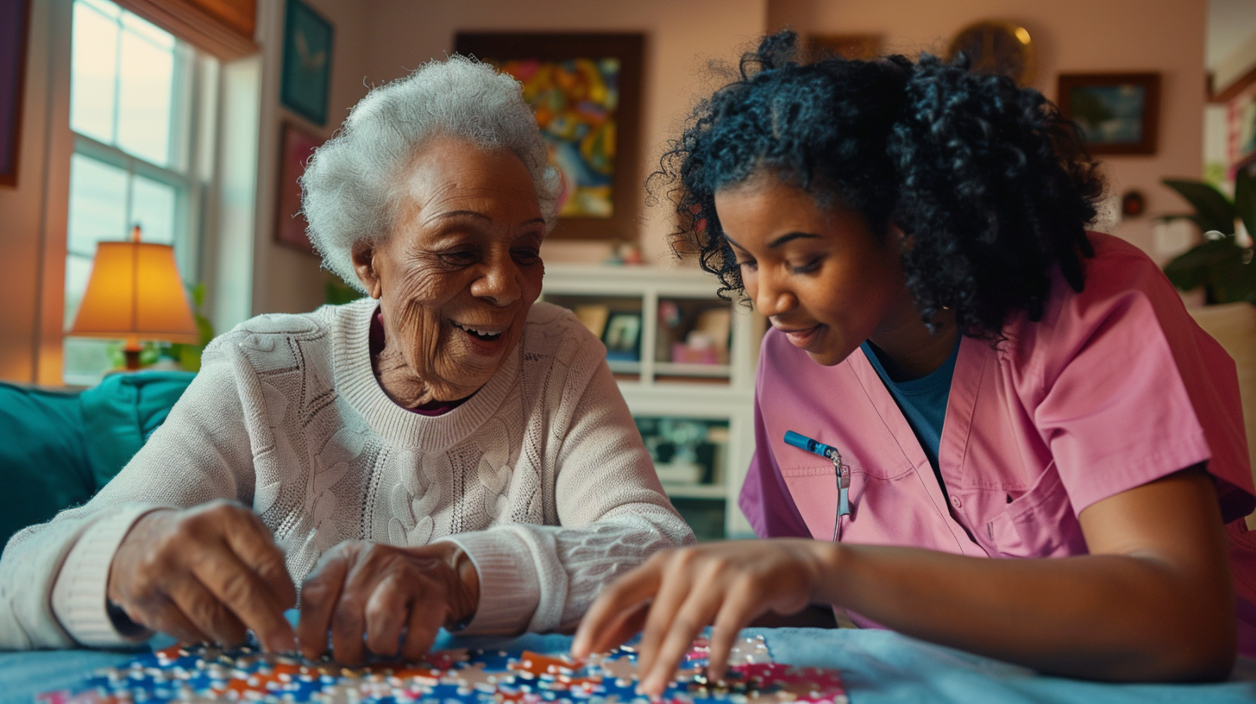


Living alone is a common situation for many aging adults, especially if they want to age in place for as long as they can. Unfortunately, that also means that these seniors are at huge risk of social isolation, loneliness, and other emotional challenges. Companion care at home can be a terrific solution for aging adults. This type of care doesn’t offer hands-on help, but it does offer companionship, emotional support, and a sense of connection.
Why Is Companionship So Helpful?
Loneliness is a huge issue for aging adults. It occurs because of mobility challenges, losing friends or partners, and family members moving far away. When social interaction diminishes, seniors may be sad, but they are also likely to experience increased anxiety and depression, have more trouble with cognitive decline, and experience increased health risks.
What Companion Care at Home Doesn’t Do
There is sometimes confusion between companion care at home and other types of elder care, so it helps to understand what companion care doesn’t do. Companion caregivers don’t offer medical assistance or help with household tasks like home care providers often do. Instead, companion caregivers are there for social and emotional support in a flexible manner, and they can help aging adults establish routines around improved socialization.
Big Benefits from Companionship
Reducing isolation and giving seniors someone to talk to on a consistent basis helps them to feel seen and heard, which is an important way to reduce not only loneliness but also anxiety and depression. Being around other people is cognitively stimulating, too, which helps seniors to stay sharper mentally. Companion caregivers can also boost home safety, mainly because they have experience noticing safety hazards and can communicate these to seniors and to family caregivers.
When Is Companion Care a Good Choice?
Companion care at home is a great option for any seniors who are managing activities of daily living, but who feel a little lonely. Seniors who aren’t able to get out as much as they used to or who don’t have the same social networks they had in the past are also great candidates. If family members all live far away, companion caregivers can help family members stay aware of what’s going on in daily life for seniors.
Keeping Seniors Engaged
It’s dangerous when seniors don’t feel connected to the world around them and stop engaging. When this happens, seniors tend to be less physically active and may not engage in activities that help maintain their brain health and cognitive function. Having an emotional and social outlet like the one that companion care at home offers makes it easier for seniors to stay engaged and to want to do so.
As seniors age in place, they face a variety of challenges along the way. One of the first sets of problems tends to include emotional challenges, including loneliness and isolation. Companion care at home offers families an easy way for aging family members to solve those emotional problems before they lead to bigger health issues that have lasting effects.
If you or an aging loved one are considering companion care at home in St. Paul, MN, and the surrounding areas, please contact the friendly staff at CareBuilders at Home Minnesota. Call today 612-260-2273.