
Managing diabetes in later life requires more than occasional attention—it demands consistency, awareness, and daily decision-making that can become increasingly difficult with age. From monitoring blood sugar to maintaining proper nutrition, even small missteps can have serious consequences. This is where elder care becomes especially valuable, providing the structure and support seniors need to manage their condition safely at home.
Why Diabetes Becomes More Complex with Age
As people age, the body’s ability to regulate blood sugar can become less predictable. Seniors often face additional health challenges such as reduced mobility, vision impairment, or memory loss, all of which can interfere with effective diabetes management.
For example, a senior may forget whether they’ve taken their medication, struggle to read nutrition labels, or lack the energy to prepare balanced meals. These challenges increase the risk of both high and low blood sugar episodes, which can lead to serious complications if not addressed.
Having consistent support in place helps reduce these risks and ensures that daily routines remain on track.
The Role of Daily Structure in Diabetes Management
Routine is one of the most important aspects of controlling diabetes. Blood sugar levels are closely tied to when and how often a person eats, takes medication, and stays active.
Caregivers help reinforce this structure by creating a predictable daily schedule. This consistency makes it easier to maintain stable blood sugar levels and avoid sudden fluctuations.
Support may include:
- Ensuring meals are eaten at regular times
- Providing reminders for medications
- Encouraging appropriate daily movement
With these routines in place, seniors are better equipped to manage their condition with confidence.
Nutrition Support That Makes a Difference
Healthy eating is a cornerstone of diabetes care, but preparing nutritious meals can become a challenge for many older adults. Physical limitations, lack of appetite, or difficulty planning meals can all interfere with proper nutrition.
Caregivers can step in to assist with meal preparation, ensuring that meals are balanced and aligned with dietary needs. This support helps prevent skipped meals and reduces the likelihood of unhealthy food choices.
In addition to preparation, caregivers can also encourage hydration and portion control—both of which are essential for maintaining stable blood sugar levels.
Medication Management and Consistency
Many seniors with diabetes manage multiple medications, sometimes alongside treatments for other conditions. Keeping track of these medications can be overwhelming and increases the risk of missed or incorrect doses.
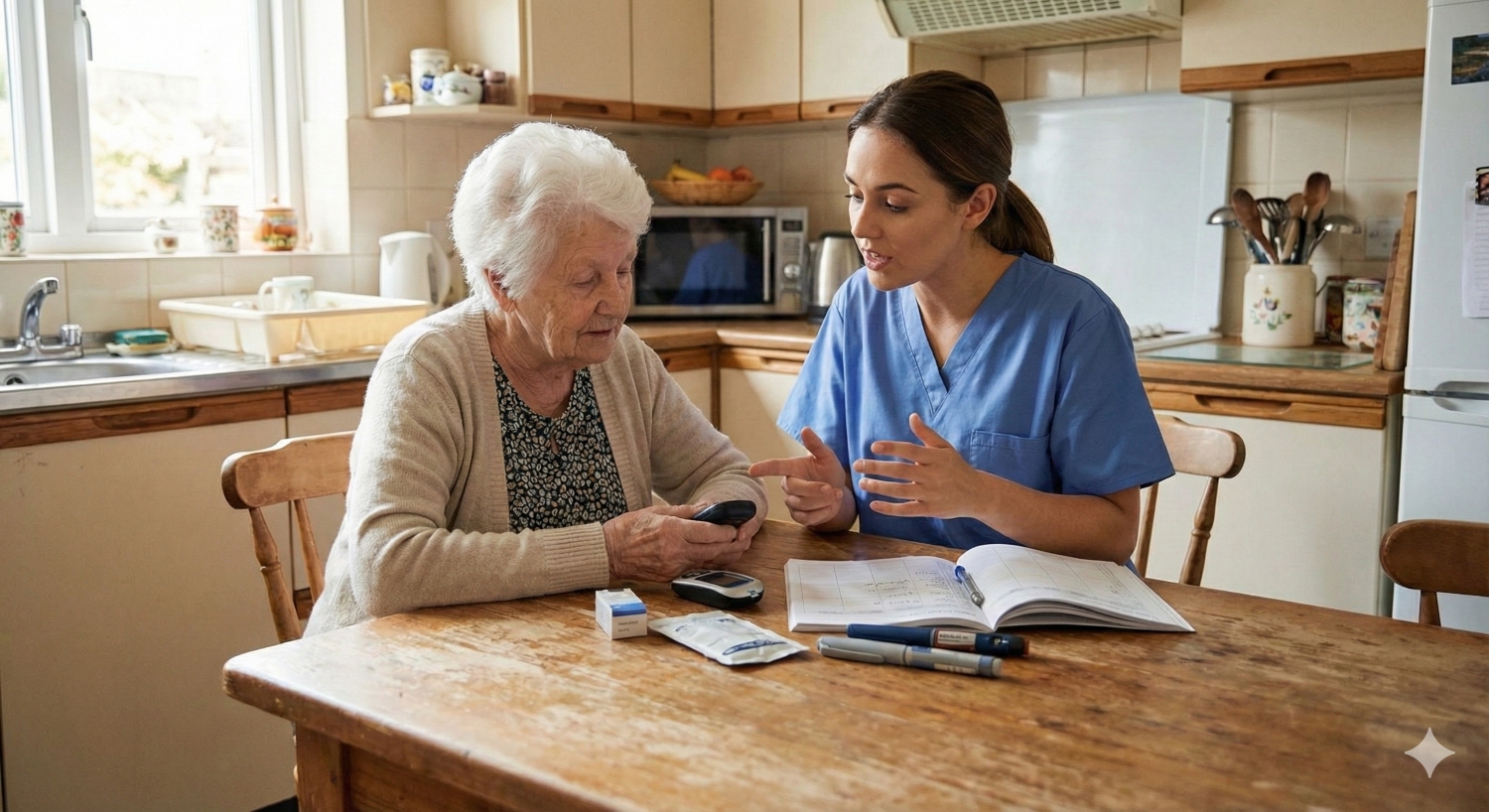
Caregivers provide reminders and oversight, helping ensure medications are taken correctly and on time. This consistency is critical in preventing complications and maintaining overall health.
They can also observe for side effects or changes in condition, allowing for timely communication with healthcare providers when needed.
Monitoring Changes and Preventing Emergencies
One of the biggest challenges with diabetes is recognizing early warning signs of complications. Symptoms such as dizziness, confusion, or fatigue can sometimes be subtle, especially in older adults. Caregivers can watch for these changes and respond quickly. Early intervention can prevent minor issues from escalating into emergencies, reducing the need for hospital visits.
This proactive approach provides peace of mind for both seniors and their families.
Encouraging Safe and Regular Activity
Physical activity plays an important role in managing blood sugar, but it must be approached carefully. Seniors may face limitations that make traditional exercise difficult or unsafe.
Caregivers can help incorporate gentle, appropriate movement into daily routines. This might include short walks, light stretching, or simple activities that promote circulation.
Regular movement not only supports blood sugar control but also improves strength, balance, and overall well-being.
Reducing the Risk of Long-Term Complications
Without proper management, diabetes can lead to serious complications such as nerve damage, vision problems, and cardiovascular issues. Seniors are particularly vulnerable to these risks.
With the support of elder care, many of these complications can be minimized. Caregivers help ensure that daily routines are followed, hygiene is maintained, and potential issues are addressed early.
This consistent attention to detail helps protect long-term health and quality of life.
Emotional Support and Motivation
Living with a chronic condition can be emotionally challenging. Seniors may feel overwhelmed by the daily demands of managing diabetes or frustrated by physical limitations.
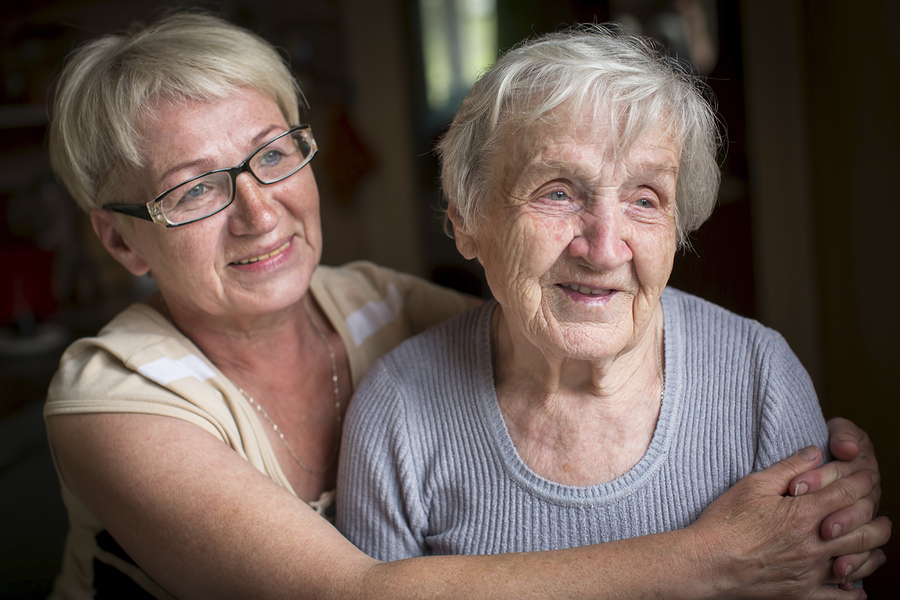
Caregivers provide companionship and encouragement, helping seniors stay engaged and motivated. Having someone present to share meals, conversations, and daily routines can make a significant difference in emotional well-being.
This support helps reduce feelings of isolation and promotes a more positive outlook.
Maintaining Independence with the Right Support
Accepting help does not mean giving up independence. In fact, the right support can help seniors remain independent for longer.
By assisting with specific tasks and providing guidance where needed, caregivers allow seniors to continue living safely in their own homes. This balance preserves dignity while ensuring that important needs are met.
Seniors can remain active participants in their own care, making choices and maintaining control over their daily lives.
A More Manageable Approach to Diabetes at Home
Managing diabetes in later life can be complex, but it doesn’t have to be overwhelming. With consistent support, seniors can maintain stability and reduce the risk of complications.
Elder care provides a reliable foundation for daily routines, helping seniors navigate the challenges of diabetes with greater ease. From meal preparation and medication reminders to emotional support and monitoring, caregivers play a vital role in promoting health and well-being.
Moving Forward with Confidence
Diabetes requires ongoing attention, but with the right support, seniors can continue to live safely and comfortably at home. Consistency, structure, and compassionate care make all the difference.
By combining professional support with a familiar home environment, seniors are better equipped to manage their condition and maintain their independence. With thoughtful care in place, daily life becomes more manageable—and far less overwhelming.
If you or an aging loved one are considering elder care in Plymouth, MN, and the surrounding areas, please contact the friendly staff at CareBuilders at Home Minnesota. Call today 612-260-2273.