
Susan visited her father every Sunday afternoon. For years, their routine rarely changed. They would sit at the kitchen table, drink coffee, and catch up on family news.
Recently, however, Susan began noticing small changes.
The mail was piling up on the counter. There were fewer groceries in the refrigerator. Unopened newspapers surrounded his favorite chair, and he seemed to be wearing the same clothes she had seen the week before.
None of these changes seemed alarming on their own. Together, however, they painted a picture that made Susan uneasy. Many families experience a similar situation. Self-neglect rarely appears overnight. Instead, it often develops gradually through a series of small changes that can be easy to overlook until a larger problem emerges.
Understanding these warning signs can help families intervene before a loved one’s health, safety, or independence is seriously affected.
The Small Changes Families Often Miss
Most cases of self-neglect begin with subtle shifts in daily habits. A senior who has always kept a tidy home may start leaving chores unfinished. Someone who never missed appointments may begin forgetting them. A once-active individual may withdraw from favorite activities.
While occasional lapses are normal, a pattern of declining self-care deserves attention. Early warning signs often include:
- Wearing the same clothing repeatedly
- Missing appointments or medications
- Letting household chores go unfinished
- Losing interest in hobbies and activities
Recognizing these changes early may make it easier to address the underlying causes before they become more serious.
When Independence Starts Becoming Isolation
One of the challenges families face is distinguishing between independence and isolation.
Many older adults value their privacy and enjoy managing life on their own. However, there is a difference between choosing solitude and becoming disconnected from the people and activities that support overall well-being.
Susan realized she had not seen her father attend church in months. He no longer met friends for breakfast, and their phone conversations had become shorter and less frequent.
Social withdrawal often accompanies self-neglect. When seniors become increasingly isolated, it can be harder for others to notice changes in their health, nutrition, or daily functioning.
What Self-Neglect Looks Like in Everyday Life
For many families, self-neglect does not look dramatic at first. Instead, it often appears as a collection of manageable concerns that gradually become larger problems.
A refrigerator may contain little more than expired food. Laundry may remain unfinished for weeks. Personal grooming routines may become inconsistent, and medication schedules may become difficult to manage.
Over time, these issues can contribute to:
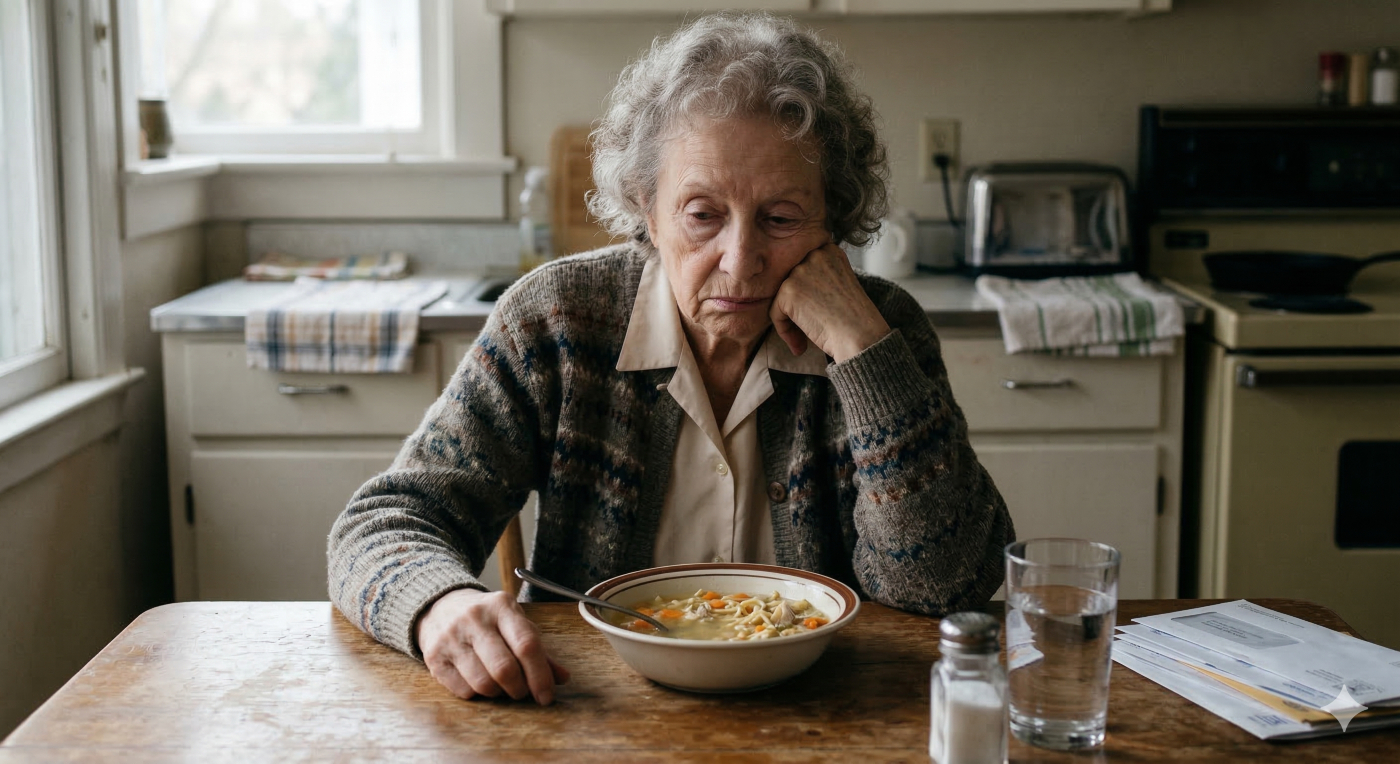
- Poor nutrition and unintended weight loss
- Medication complications
- Increased fall risks
- Worsening chronic health conditions
The challenge is recognizing that these concerns are often connected rather than isolated incidents.
Looking Beyond the Symptoms
Self-neglect is often a symptom of a deeper issue rather than a deliberate choice.
A senior may be struggling with arthritis that makes household tasks painful, vision changes that make reading medication labels difficult, depression following the loss of a spouse, or cognitive changes that affect memory and organization.
Understanding the cause behind the behavior is often more helpful than focusing solely on the behavior itself. For example, a senior who stops preparing meals may not have lost interest in eating. They may simply find standing in the kitchen exhausting.
Approaching concerns with curiosity and compassion can lead to more productive conversations and better solutions.
When Support Becomes a Safety Issue
Eventually, self-neglect can begin affecting a senior’s safety. This often happens when daily challenges create risks that become difficult to manage alone.
Families should pay close attention to warning signs such as:
- Frequent falls or mobility concerns
- Unexplained weight loss
- Missed medications
- Unsafe driving or household hazards
At this stage, delaying intervention can increase the likelihood of hospitalization or other serious consequences. The goal is not to take away independence but to preserve it by addressing concerns before a crisis occurs.
Starting the Conversation
Talking about self-neglect can be uncomfortable for both seniors and their families. Many older adults fear losing control over their lives or being forced to make unwanted changes.
Rather than focusing on what a loved one is doing wrong, families often have greater success when they focus on shared goals.
Instead of saying, “You can’t take care of yourself anymore,” try saying, “I want to make sure you’re safe and comfortable.”
This shifts the conversation away from limitations and toward finding practical solutions.
How Personal Care at Home Can Help
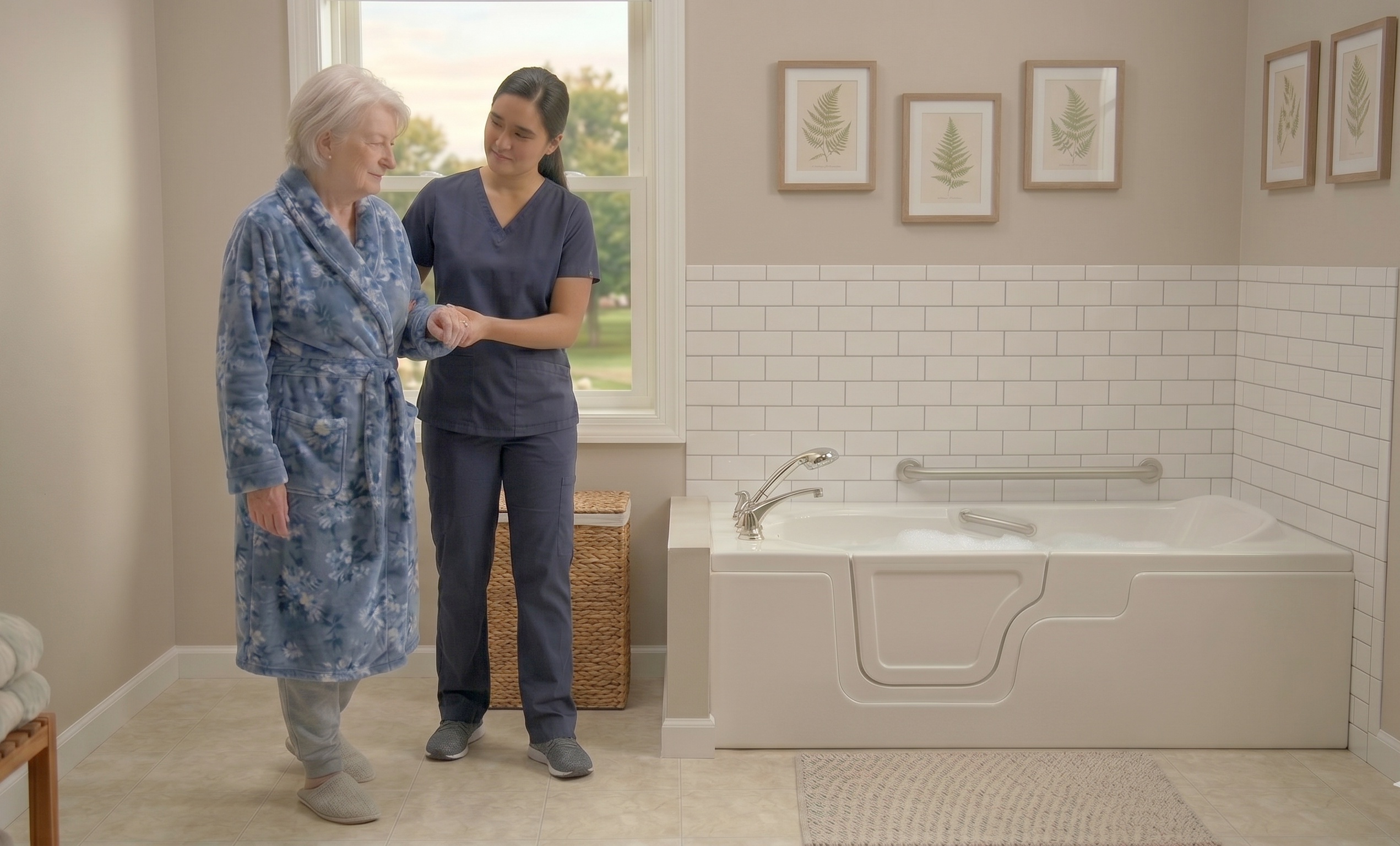
For many seniors, the answer is not moving out of the home they love. Often, they simply need assistance with the tasks that have become more difficult.
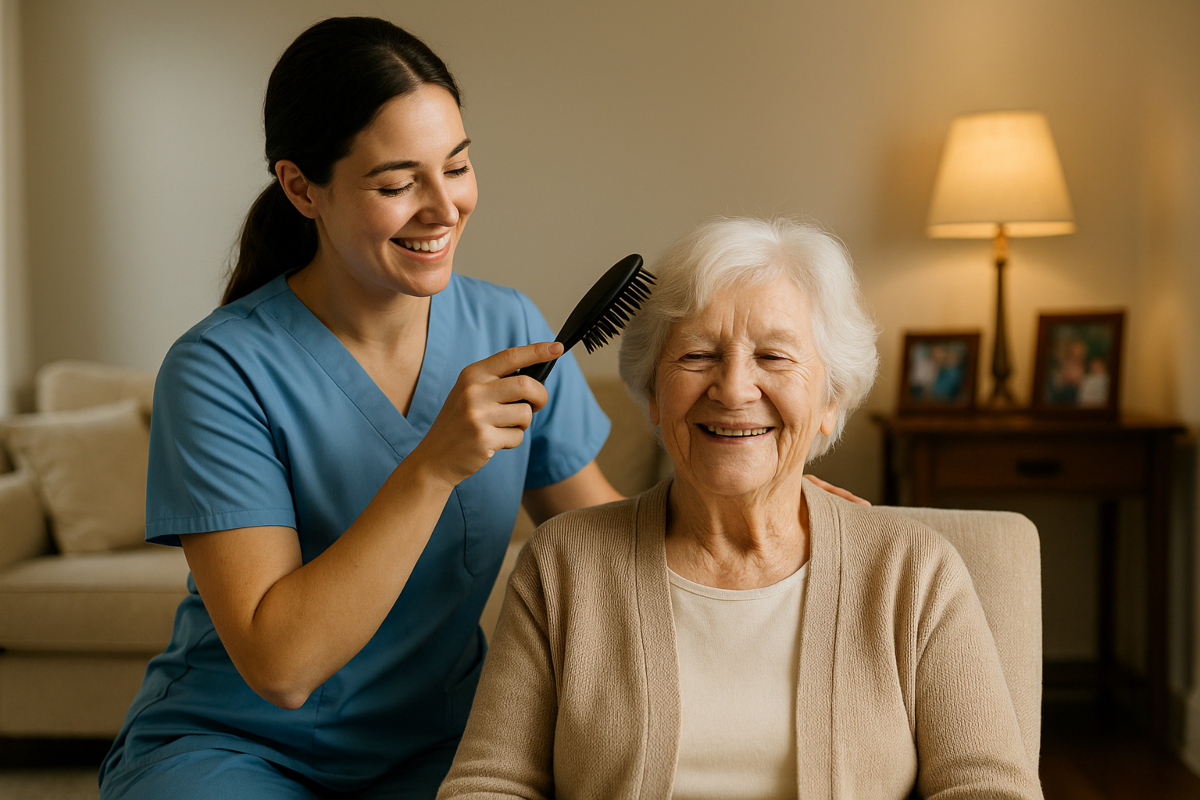
Personal care at home can provide support with daily routines, meal preparation, medication reminders, mobility assistance, light housekeeping, and companionship. This type of support helps seniors maintain their independence while addressing challenges that may contribute to self-neglect.
A few weeks after sharing her concerns, Susan’s father agreed to accept some additional help. The changes were not dramatic, but they were meaningful. There was fresh food in the refrigerator again. Laundry was getting done regularly, medications were organized, and he seemed less overwhelmed.
He was still living in the same home, following familiar routines, and making his own decisions. He simply had support where he needed it.
Conclusion
Self-neglect rarely begins with a major event. More often, it starts with small changes that gradually affect a senior’s health, safety, and quality of life. Families who recognize these warning signs early have an opportunity to step in before a crisis occurs.
Personal care at home provides practical support that helps older adults maintain their independence while addressing challenges related to daily living. By approaching concerns with understanding and taking action early, families can help their loved ones remain safe, comfortable, and confident at home.
If you or an aging loved one is considering personal care at home in Maple Grove, MN, and the surrounding areas, please contact the friendly staff at CareBuilders at Home Minnesota. Call today 612-260-2273.