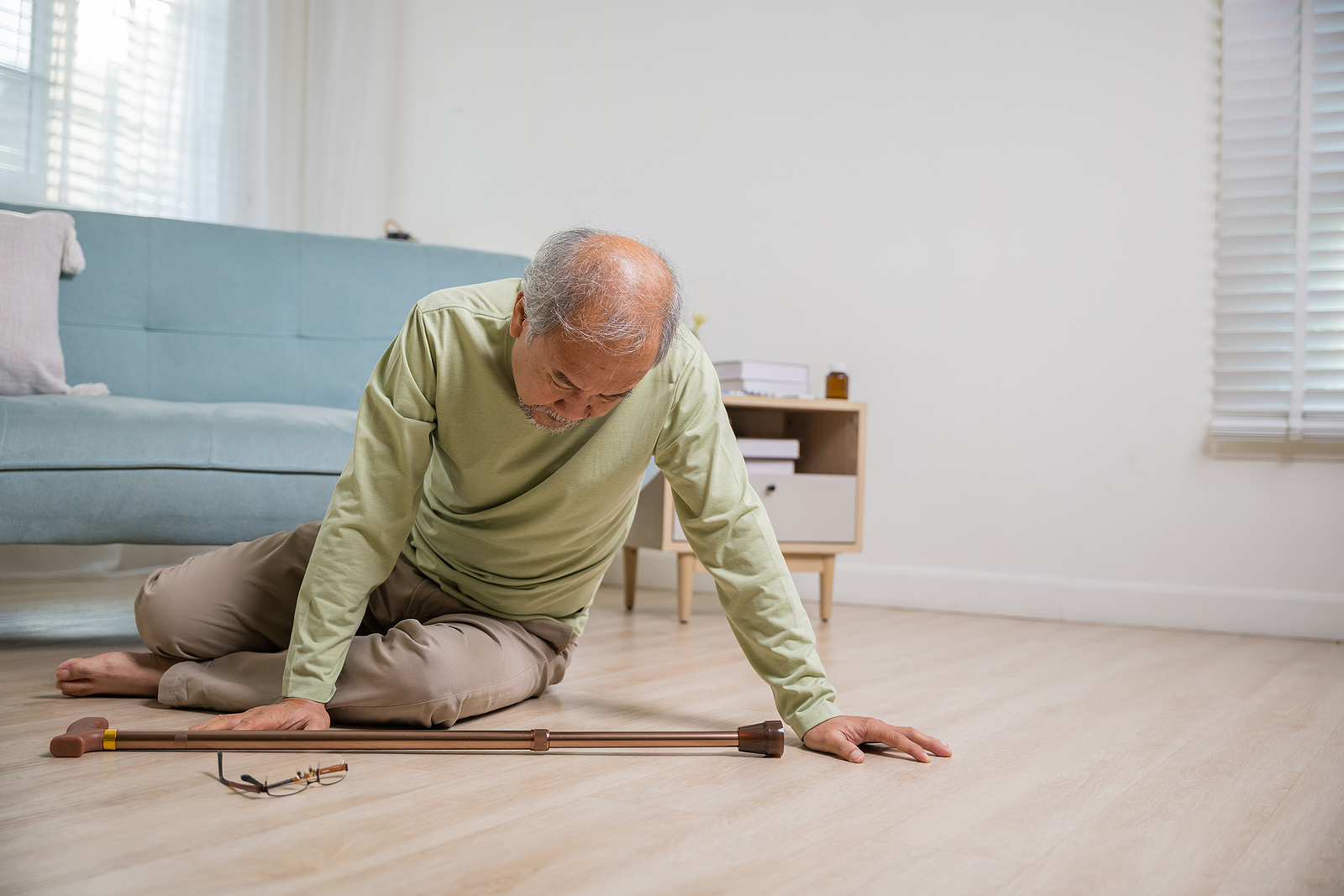


After decades together, many older couples have built a life of shared routines: morning coffee, evening walks, favorite shows, and the comfort of sleeping under the same roof. When one partner’s health declines and they need help at all hours, the other spouse often steps in as the main caregiver. It’s an act of deep love, but it can quickly become more than one person can manage. 24-hour home care can support both partners, helping the couple stay together at home while protecting the health of the spouse who has been doing it all.
The Hidden Strain on Caregiving Spouses
Spousal caregivers are often older adults themselves, with their own health concerns. Lifting, helping with bathing, managing medications, and getting up several times a night can take a heavy toll. Many caregiving spouses lose sleep, skip their own doctor appointments, and stop seeing friends.
Over time, that strain can affect the caregiver’s health. Signs that a spouse may need more support include:
- Constant exhaustion or trouble sleeping
- Back pain or injuries from lifting and transferring
- Missing their own medical appointments
- Feeling irritable, anxious, or hopeless
- Withdrawing from friends and activities they once enjoyed
- Saying they feel alone or overwhelmed
Adult children often notice these signs before the caregiving spouse admits them.
Letting Spouses Be Partners Again
When caregivers take over the physical tasks of care, something important happens: the healthy spouse gets to be a husband or wife again rather than a full-time nurse. Instead of spending the day on bathing, toileting, and medication schedules, they can hold hands, share a meal, watch a favorite program together, or simply talk.
Many couples say this shift helps them reconnect in ways they had lost during months of caregiving. A quiet evening on the couch, holding hands during a favorite program, can mean more than any task completed.
Rest for Caregiving Spouses
Sleep is often the first thing a caregiving spouse gives up. With round-the-clock care, an overnight caregiver stays awake to help with bathroom trips, repositioning, and nighttime confusion. The healthy spouse can sleep through the night, sometimes for the first time in months.
Better rest improves mood, patience, and physical health. It also lowers the risk of the caregiving spouse becoming ill or injured.
Keeping Shared Routines
A good care plan respects the life a couple has built together. Caregivers can work around shared routines, such as morning coffee on the porch, a weekly church service, or dinner at a set time. They can help both partners get ready for outings, prepare meals both enjoy, and keep the household running smoothly.
The goal is to support the couple’s way of life, not replace it.
Support for Both Partners
Sometimes both spouses need some level of help. One may need full assistance with personal care, while the other could use a hand with meals, housekeeping, or transportation. Caregivers can provide support to both partners in the same home, making daily life easier for each of them.
Protecting Moments That Matter Most
Anniversaries, birthdays, holidays, and quiet Sunday afternoons hold special meaning for couples who have shared a lifetime. When one partner needs constant care, these occasions can feel overwhelming to plan. Caregivers can help with the details, from helping both spouses dress for a family dinner to preparing a favorite cake or setting up a video call with children who live far away. Some couples simply want to look through old wedding photos together or listen to the song they danced to decades ago. With 24-hour home care handling daily tasks, the healthy spouse has the time and energy to enjoy these moments rather than manage them. Families often say these shared experiences are among the most precious memories of this stage of life.
Addressing Guilt, Easing Hesitation
Many caregiving spouses resist outside help. They may feel they promised to care for their partner themselves, or worry that accepting help means they’ve failed. Gentle conversations can help. Remind your parent that bringing in caregivers is a way to keep that promise, by keeping the couple together at home and protecting the health of both partners.
It may help to start with overnight care or a few long shifts each week, then add hours as the couple becomes comfortable.
How Adult Children Can Help
Adult children play an important role. Visit often, watch for signs of strain in the healthy parent, and talk with both parents about what kind of help would make life easier. Involve both partners in choosing caregivers and setting schedules so everyone feels respected.
Encourage the caregiving spouse to keep up with their own health, friendships, and interests. A lunch with friends or an afternoon at the library can restore energy and perspective.
Planning Support That Works for Both
An in-home assessment can look at the needs of both partners and recommend a schedule that fits the household.
With 24-hour home care, couples can stay together in the home they share, while both partners receive the care and rest they need.
If you or an aging loved one is considering 24-hour home care in Eagan, MN, and the surrounding areas, please contact the friendly staff at CareBuilders at Home Minnesota. Call today 612-260-2273.