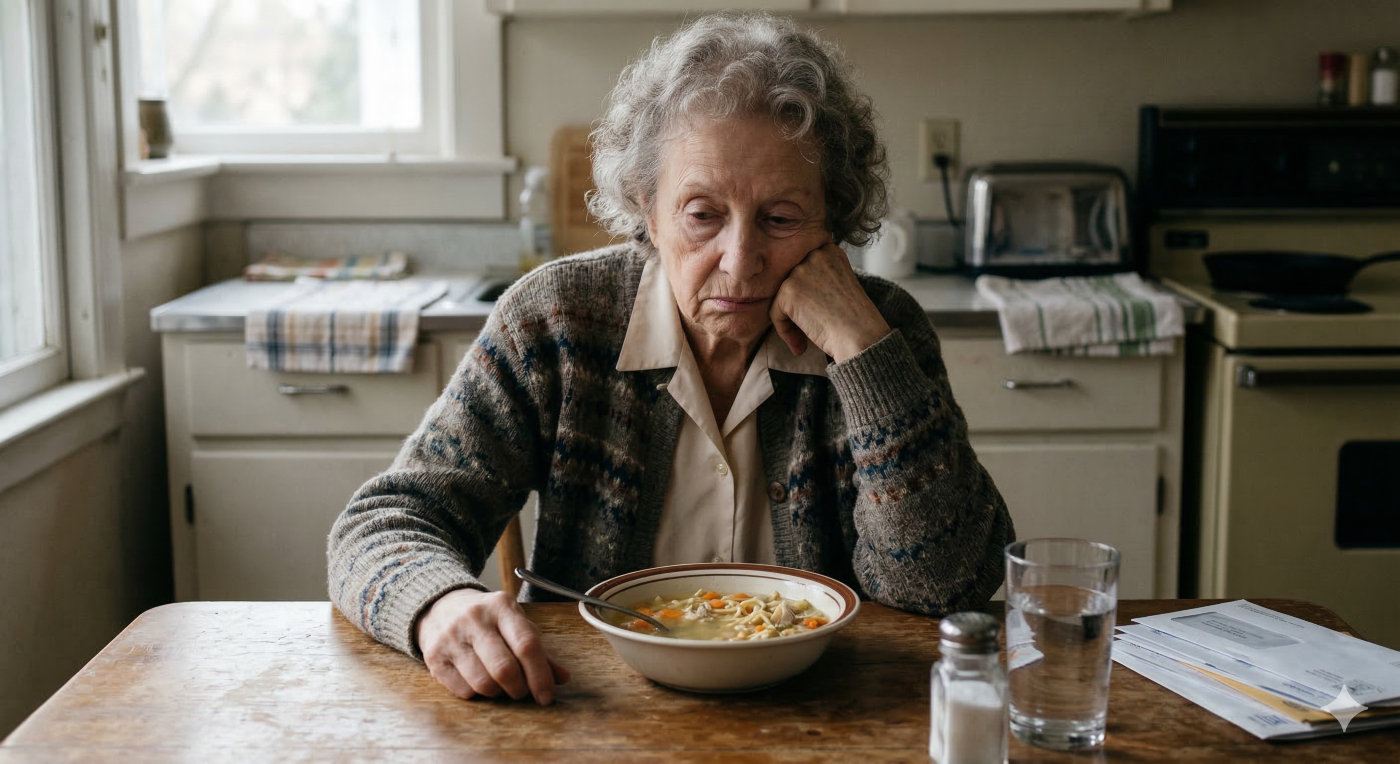


You get the call on a Tuesday afternoon. Your mom slipped in the kitchen, and a neighbor found her. She’s okay this time, but you’re three states away and the drive takes nine hours. If you’re caring for a parent from a distance, you already know the particular kind of worry that comes with it. Personal care at home can’t replace you, but it can put a trusted set of eyes and hands in your parent’s house on the days you can’t be there.
You’re Not Alone in This
The National Institute on Aging describes a long-distance caregiver as anyone who lives an hour or more away from the person they’re helping. Millions of adult children fit that description. They manage bills online, talk with doctors by phone and plan visits around work and their own kids. It’s a real job, even when it doesn’t look like one from the outside.
Make Your Visits Count
Short trips fill up fast with errands and appointments, so set aside some time just to observe. Notice how your parent moves around the house, what’s in the fridge and whether the mail is piling up. Then use part of each visit to handle the things that are hard to do remotely:
- Meet your parent’s doctors, or at least introduce yourself to the office staff
- Make sure your parent has signed a HIPAA authorization so providers can talk with you
- Talk with an elder law attorney about powers of attorney for health care and finances
- Gather medications, doctors’ names, insurance cards and account information in one place
- Meet the neighbors and swap phone numbers
- Check the house for fall hazards like loose rugs, dim lighting and missing grab bars
Build a Local Team
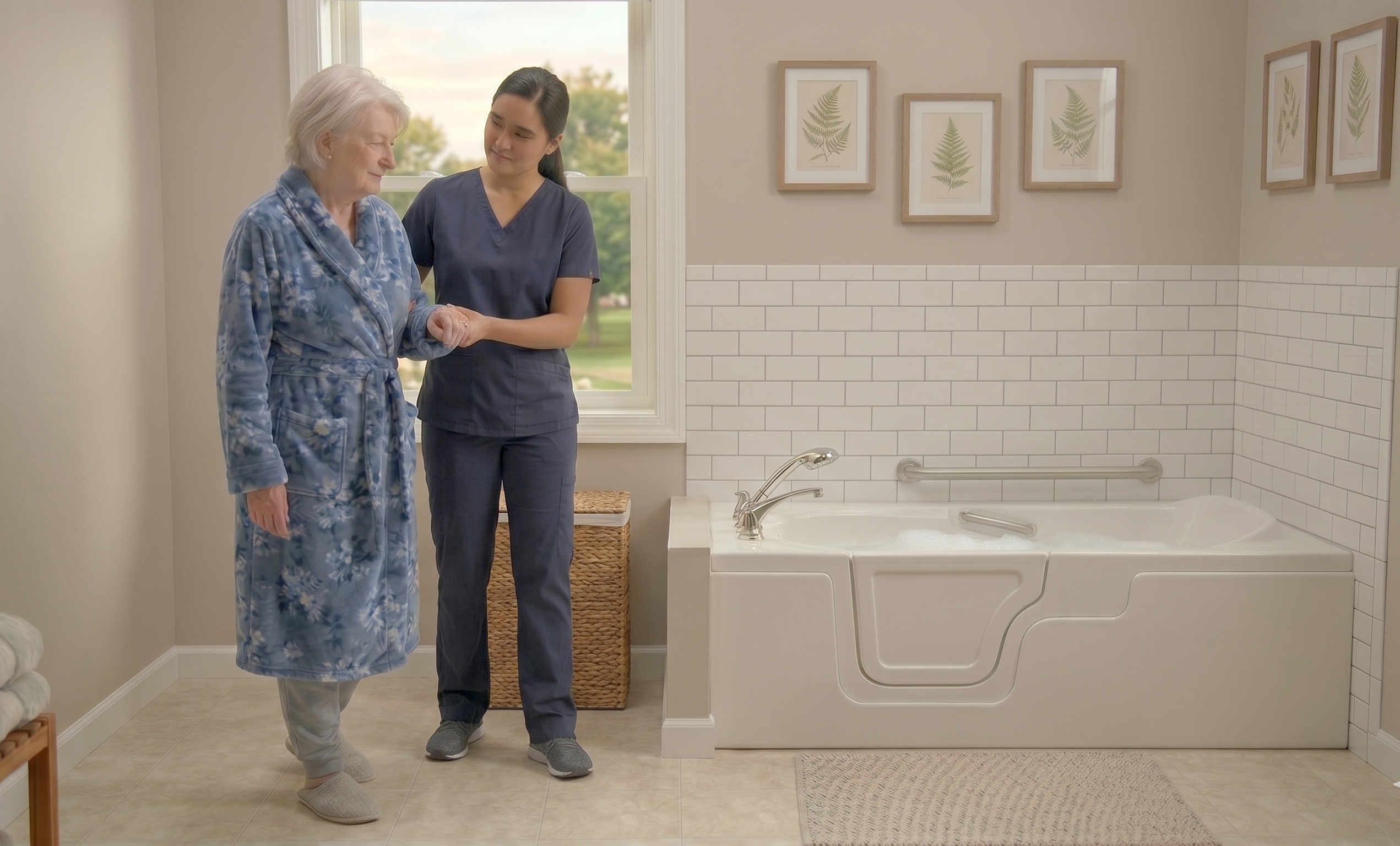
You can’t be everywhere, so the goal is to have reliable people near your parent. That might be a sibling who lives closer, a neighbor, a friend from church and a professional caregiver. Each plays a different role. A neighbor might check that the porch light is on. A caregiver can make sure your dad has eaten lunch, taken his medication and showered safely.
For many long-distance families, personal care at home becomes the anchor of that team. A consistent caregiver gets to know your parent’s routines and can tell you when something seems off, like a new cough, a change in appetite or more confusion than usual. Ask the agency how it shares updates. Some agencies use apps or online portals where caregivers log each visit, while others send a quick text or call. Pick whatever method you’ll actually check.
It also helps to choose one point person at the agency, usually the care coordinator, and get to know them. When you call with a question, you want someone who already knows your mom’s name, her routine and the fact that she gets anxious in the late afternoon. Over time, that relationship becomes one of the most useful tools a long-distance caregiver has. It means you’re not starting from scratch every time something comes up, and it gives the agency a clear person to reach when they need a decision from the family.
Stay connected between visits
Regular contact helps your parent feel less alone and helps you spot changes early. A few ideas that work for many families:
- Schedule a standing phone or video call at the same time each week
- Set up grocery or pharmacy delivery to your parent’s address
- Use automatic bill pay for utilities and other recurring expenses
- Ask the caregiver to help with a video call during their visit
Pay attention to what you hear on those calls. If your mom seems confused about the day, repeats the same story twice in one conversation or sounds unusually flat, write it down and mention it to the caregiver or her doctor.
Protect your relationships at home
Long-distance caregiving can strain siblings, spouses and your job. Siblings who live closer may feel they’re doing all the work, while those far away may feel shut out or judged. A regular family call to share updates and divide tasks helps a lot. The person farther away can often take on paperwork, insurance calls, bill paying or research, which frees up the local sibling for hands-on help.
Talk with your employer too. Some companies offer flexible schedules, and the federal Family and Medical Leave Act may protect unpaid leave for eligible workers caring for a parent with a serious health condition. Your HR department can tell you what applies. Some employers also offer caregiver support through an employee assistance program, which can include free counseling or help finding local services near your parent.
Let go of the guilt
Almost every long-distance caregiver feels guilty at some point. You aren’t there for every appointment, and you can’t drop by after work. But arranging good care is caring. Setting up personal care at home, keeping in touch with the caregiver and showing up when you can is a real and loving way to look after your parent, wherever you happen to live.
If you or an aging loved one is considering personal care at home in Brooklyn Park, MN, and the surrounding areas, please contact the friendly staff at CareBuilders at Home Minnesota. Call today 612-260-2273.