
Good oral health is an important component of overall wellness, but for many seniors, getting to the dentist can seem like an insurmountable challenge. The good news is that home care providers can help them overcome the barriers standing in their way and make sure their oral health is a priority.
Why Oral Health Becomes More Important with Age
Dental health is not just about a bright smile. For seniors it’s closely tied to physical health, nutrition, and quality of life. Poor oral health has been connected to serious conditions such as heart disease, diabetes complications, respiratory infections, and even cognitive decline.
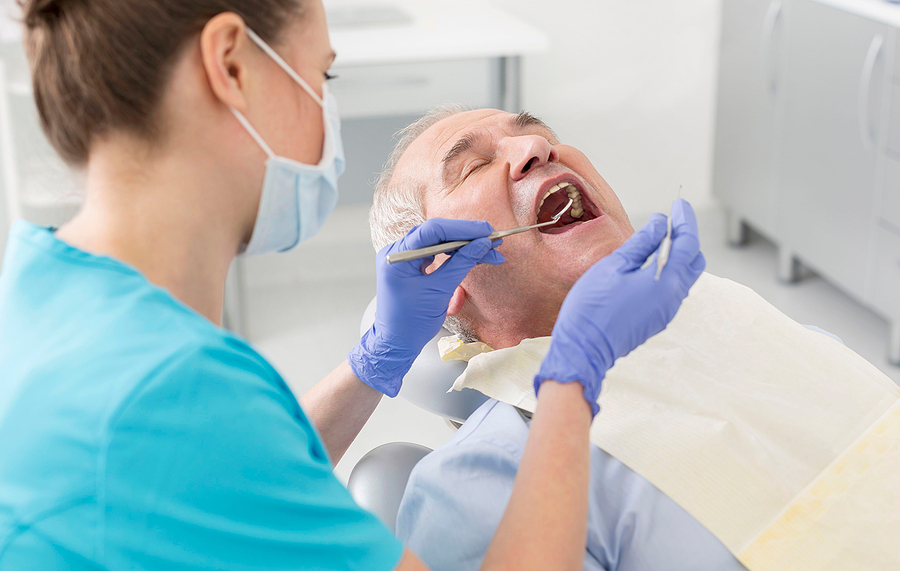
Tooth decay, gum disease, and dry mouth (a common side effect of many medications) become more common with age. Older people with dental pain or missing teeth often turn to soft, processed foods that do not provide proper nutrition and can speed up other health problems. Regular dental visits help providers catch problems early and keep seniors eating well, speaking clearly, and feeling confident.
Why Many Seniors Avoid the Dentist
The importance of dental care is clear, but many older adults delay dental visits for years at a time. The reasons are diverse and deeply personal.
Fear and anxiety top the list for a number of seniors. Many grew up in an era where dental procedures were more painful and less refined, leaving memories that are hard to shake.
Transportation barriers are another issue. Seniors who no longer drive or live in rural areas may find it difficult to get to the dentist.
Cost and insurance gaps also play a part. Medicare doesn’t typically cover routine dental care, so many seniors pay out of pocket or skip treatment altogether.
Physical limitations such as arthritis, mobility issues, or cognitive issues like dementia can make the process of getting ready, traveling, and sitting through an appointment overwhelming.
The Difference Home Care Providers Make
With home care providers by their side, seniors get the support they need to overcome many of the barriers noted above, as well as a caring, consistent presence to help them process their more emotional fears.
For instance, scheduling and coordination are often the first challenges, and they are something that is easily completed by caregivers. They find offices that cater to an older patient, confirm insurance coverage, provide transportation to and from the appointment, and even go with seniors into the exam room when needed.
They also help decrease some of the anxiety surrounding the visit by offering a comforting presence, as well as helping seniors prepare. This preparation could look like making the trip to the office beforehand and meeting the staff, educating them about what services will occur during the visit, or helping them make a calming playlist they can listen to during the procedure.
Home care providers also support daily oral hygiene. They help seniors with dexterity or memory issues with brushing, flossing, and denture care to help reduce plaque buildup and gum disease between appointments. For others, they gently remind them to complete these tasks and make sure they have the appropriate tools, such as the right toothbrush for their particular needs.
Finally, caregivers help seniors remember post-care instructions, pick up prescriptions, and watch for any signs of complications.
A home care provider’s role may seem simple on the surface—a ride to the office, a hand to hold in the waiting room—but for a senior who has put off dental care, that support can be the catalyst they need to start making dental care a priority.
Sources:
https://www.ada.org/resources/ada-library/oral-health-topics/aging-and-dental-health
https://www.nia.nih.gov/health/teeth-and-mouth/taking-care-your-teeth-and-mouth
https://hopkintonsquaredental.com/addressing-dental-anxiety-in-seniors-tips-for-a-stress-free-visit/
If you or an aging loved one is considering home care in St. Louis Park, MN, and the surrounding areas, please contact the friendly staff at CareBuilders at Home Minnesota. Call today 612-260-2273.