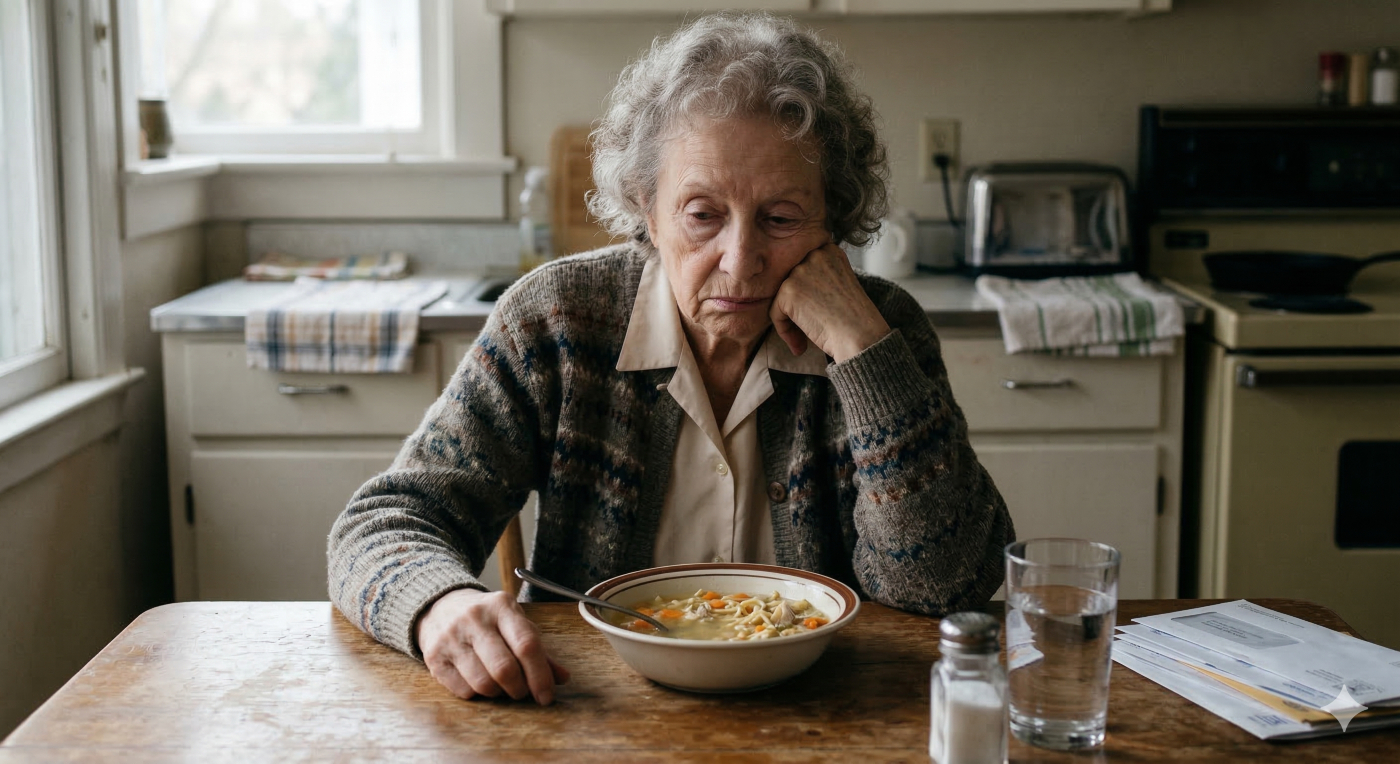

When your parent has limited mobility, remaining at home may still be exactly what they want. But everyday activities that once required little thought can become much more difficult. Getting out of bed, stepping into the shower, dressing, using the bathroom, or simply reaching the kitchen for lunch can present new challenges. Personal care at home provides hands-on assistance with these daily routines, helping your parent remain comfortable at home without expecting them to manage tasks that have become difficult or unsafe alone.
For families, the goal isn’t to take away independence. It’s to provide the right amount of assistance so your parent can continue participating in daily life as fully as their abilities allow.
The Bathroom Can Become One of the Hardest Places to Navigate
Bathing is often one of the first personal care tasks to become difficult when mobility declines.
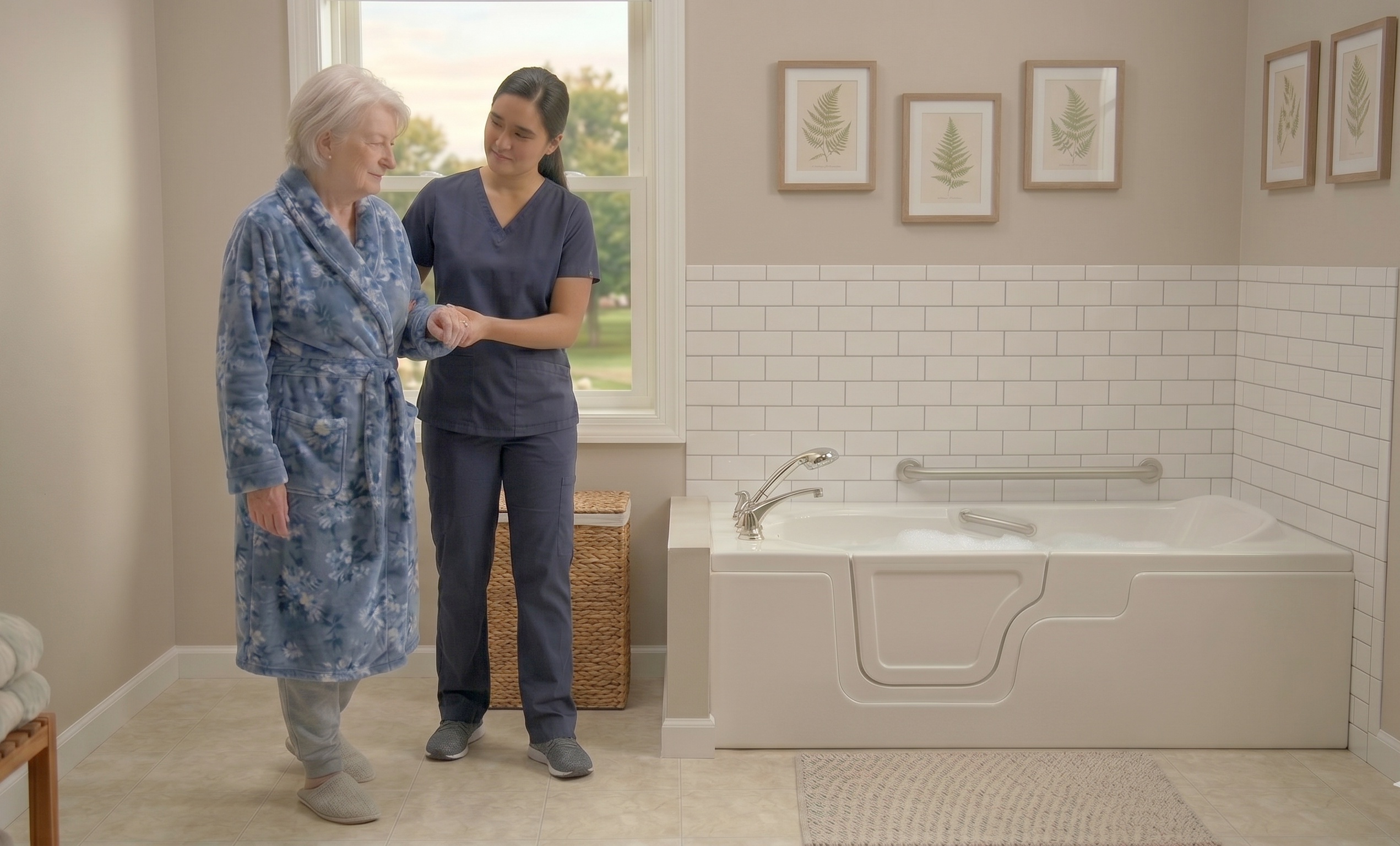
Getting into a shower requires balance, coordination, and the ability to step over a threshold or maneuver from a wheelchair or other mobility aid. Once inside, wet surfaces create another challenge. Your parent may also have difficulty standing long enough to wash, rinse, and dry themselves.
Personal care assistance can make bathing less physically demanding. Your parent can receive help getting into and out of the bathing area, washing hard-to-reach areas, drying off, and getting dressed afterward.
The same is true for toileting. Having assistance available when your parent needs to use the bathroom can reduce the amount of difficult movement they have to manage alone.
Getting Dressed Doesn’t Have to Require Standing
Limited mobility changes the way many familiar activities need to be approached. Dressing is a good example.
A parent who uses a wheelchair or has difficulty standing may struggle to pull clothing over their legs, put on socks and shoes, manage fasteners, or adjust clothing comfortably.
Trying to stand simply because that’s how they have always gotten dressed may create an unnecessary risk of losing their balance.
With personal care at home, dressing can be adapted to your parent’s abilities. Assistance can be provided while they are seated or otherwise comfortably positioned. Your parent can still choose what they want to wear and participate in the parts of dressing they can manage while receiving help with the parts that have become difficult.
This approach supports independence without making independence mean “doing everything alone.”
Getting Into and Out of Bed May Require Help
For someone with limited mobility, getting into bed isn’t necessarily as simple as sitting down and pulling up the covers.
Your parent may have difficulty positioning themselves at the edge of the bed, moving their legs, or settling into a comfortable position. The same challenges return the next morning when it’s time to get up.
Having assistance during morning and bedtime routines can make these transitions easier. It can also allow your parent to follow a familiar routine without struggling through movements that are now beyond their abilities.
This can be especially reassuring for an adult child who cannot be at Mom or Dad’s house every morning and evening.
Meals Should Be Accessible to Your Parent
Sometimes maintaining independence means changing where and how everyday needs are met.
If your parent has always eaten breakfast in the kitchen, for example, they may continue trying to get there even when walking that distance has become difficult. A senior using a wheelchair may have trouble maneuvering through a narrow kitchen or reaching items stored in cabinets and the refrigerator.
Your parent shouldn’t have to choose between making a difficult trip through the house and skipping a meal.
Personal care assistance can include help with meals so food is prepared and brought to a comfortable, accessible place. On a day when your parent feels capable of eating at the table, they can do so. On a more difficult day, lunch may make more sense in their favorite chair.
Care should work around your parent’s abilities rather than forcing them to struggle to maintain an old routine.
Personal Care Can Reduce Unnecessary Movement
When mobility becomes limited, families sometimes focus entirely on falls. Preventing falls is important, but it’s also helpful to consider how many potentially difficult movements your parent makes throughout an ordinary day.
Think about a typical morning:
- Getting out of bed
- Walking or moving to the bathroom
- Using the toilet
- Bathing or showering
- Getting dressed
- Grooming
- Moving to another room for breakfast
For a healthy adult, these tasks happen almost automatically. For your parent, each one may require significant effort.
Assistance with personal routines can reduce the number of times your parent has to attempt difficult movements alone. Instead of pushing themselves because no one is available to help, they have support during the parts of the day when mobility matters most.
Help Can Preserve Energy for More Meaningful Activities
There’s another consequence of limited mobility that can be easy to overlook: everyday tasks can consume a tremendous amount of energy.
If getting showered and dressed leaves your parent exhausted, they may have little energy left for the rest of the morning. Preparing lunch might mean they don’t feel up to doing something they actually enjoy later.
Receiving help doesn’t necessarily mean doing less. In some cases, it allows your parent to save their strength for the activities that matter more to them.
Mom may accept help getting dressed so she has the energy to sit outside later. Dad may need assistance with his morning routine but still enjoy choosing breakfast and reading the newspaper afterward.
The objective is to support what your parent can do rather than continually emphasizing what they can’t.
Independence Looks Different When Mobility Changes
Families sometimes worry that introducing personal care will make a parent more dependent. But independence isn’t defined by whether someone can physically complete every task without assistance.
Your parent can still make decisions about when they get up, what they wear, what they eat, and how they spend their day. Receiving help with the physical parts of those choices doesn’t take the choices away.
In fact, having appropriate assistance may make it possible for your parent to continue living in the home they love rather than allowing mobility limitations to dictate where they live.
Making Aging in Place More Manageable
When mobility changes, families often start looking at the home differently. Suddenly, the distance between the bedroom and bathroom matters. The shower threshold matters. Getting dressed matters. Even reaching the kitchen several times each day can become an issue.
These aren’t necessarily reasons your parent must give up living at home. They are signs that daily routines may need additional support.
Personal care at home focuses assistance where many mobility challenges actually occur: during bathing, dressing, grooming, toileting, meals, and morning and evening routines. That support can make everyday life less physically demanding while helping your parent continue participating in their own care.
For an older adult with limited mobility, aging in place isn’t about proving they can still do everything independently. It’s about having a safe, workable routine that respects what they can do, provides help where they need it, and allows home to remain a comfortable place to live.
If you or an aging loved one is considering personal care at home in Eagan, MN, and the surrounding areas, please contact the friendly staff at CareBuilders at Home Minnesota. Call today 612-260-2273.